
Butterfly World
Twenty thousand wings, solar-powered
⏱ 2 hours👤 All ages$$
Get Tickets
Get Butterfly World Tickets
Skip the line · mobile tickets accepted at the door
The park is one man's obsession institutionalized: Ron Boender, an electrical engineer turned butterfly farmer, built Butterfly World with the conviction that the insects could anchor both wonder and science — and the park's lab has run serious conservation ever since, pioneering captive propagation for Florida's imperiled swallowtails and atala hairstreaks and supplying the research community while the public side grew into the hemisphere's standard-setter. The visitor architecture shows the farming expertise: the aviaries' plantings run bloom succession year-round, fruit stations and nectar banks position the showpieces at camera height, and the daily chrysalis-case releases mean the population stays at the density — thousands aloft per aviary — that makes first entry through the Paradise Adventure aviary a genuine gasp moment: morphos the size of hands flashing blue through sun shafts, wings settling on shoulders uninvited (the no-touching rule runs one-directional; landings are legal and lucky).
The non-butterfly wings earn their acreage: the hummingbird aviary is among the few walk-through hummingbird habitats anywhere (the jewel-traffic photographs demand burst mode), the lorikeet encounter's nectar cups produce the park's squeal-per-minute peak as the Australian parrots land on arms and heads, macaws and finches line the garden walks, and the museum/bug-zoo wing cases the mounted spectaculars and live tarantula-tier residents for the fearless. Garden infrastructure — waterfalls, the vine-draped tunnel walks, the rose and jasmine courts — makes the whole park photograph like a conservatory.
Craft: butterflies are solar-powered, so sunny mornings within two hours of opening deliver peak flight and the best light; overcast afternoons dim the show noticeably (the hummingbirds and lorikeets compensate); and summer's heat bothers visitors long before it bothers the residents. Two gentle hours covers everything, the pace suits strollers and wheelchairs natively, and the exit nursery — host and nectar plants with planting instructions — converts a ticket into a backyard habitat, which is the mission working as designed. Fit: pair it with Flamingo Gardens for the gentle-wildlife day, or slot it as the multi-generation morning this market's family guide recommends — the rare attraction with zero age floor, zero thrill requirement, and a conversion rate on butterfly skeptics approaching total.
What to Expect
Format
The world's first and largest butterfly park — aviaries of thousands in free flight through tropical bloom, a walk-through hummingbird habitat, lorikeets that land on you, and the conservation lab behind it all. Two gentle hours in Coconut Creek.
Best Time
Sunny mornings within two hours of opening — butterflies fly on warmth and light, and the aviaries peak before noon. Overcast dims the show; the birds compensate.
Duration
Two hours at stroller pace.
Tips
Go on a sunny morning, lead with the big aviary's first-entry gasp, and buy the lorikeet nectar cup — it's the squeal engine. Wear bright florals if you want landings. The exit nursery turns the ticket into a backyard habitat; let it.
⚡ Quick Picks
Best For
The multi-generation morning — zero age floor, zero thrill requirement, near-total conversion of skeptics.
Families
Morphos overhead, lorikeets on arms, and a bug zoo for the brave — gentle pacing that still lands as spectacle.
Couples
The garden walks and hummingbird aviary photograph like a honeymoon conservatory — mornings keep it quiet.
Pair With
Flamingo Gardens for the gentle-wildlife day, or the beach afternoon after the morning flight show.
Time Needed
Two hours plus the drive.
Ready to book Butterfly World?
Get Tickets →Frequently Asked Questions
How many butterflies will we see?
Aviaries run thousands in free flight — up to 20,000 across the park on peak days — restocked by the lab's daily chrysalis releases. Sunny mornings put the maximum aloft.
Will they land on us?
Often — landings are legal, lucky, and more frequent on bright clothing. Touching them is the one-directional no; the staff's gentle rule keeps wings intact.
What's the lorikeet encounter?
Nectar cups in a walk-through parrot aviary — the lorikeets land on arms, shoulders, and the occasional head, and the resulting photos fund the gift shop's frame section.
Is the science angle real?
Foundational — the park pioneered captive breeding that helped recover imperiled Florida species, and the lab windows show the working side. The nursery exit converts visitors into habitat planters by design.
When is it less impressive?
Overcast, cool, or late afternoons — butterflies are solar-powered and roost when dim. Reschedule for sun if the flight show is the mission; the hummingbirds carry gray days.
More Fort Lauderdale Attractions
Browse all →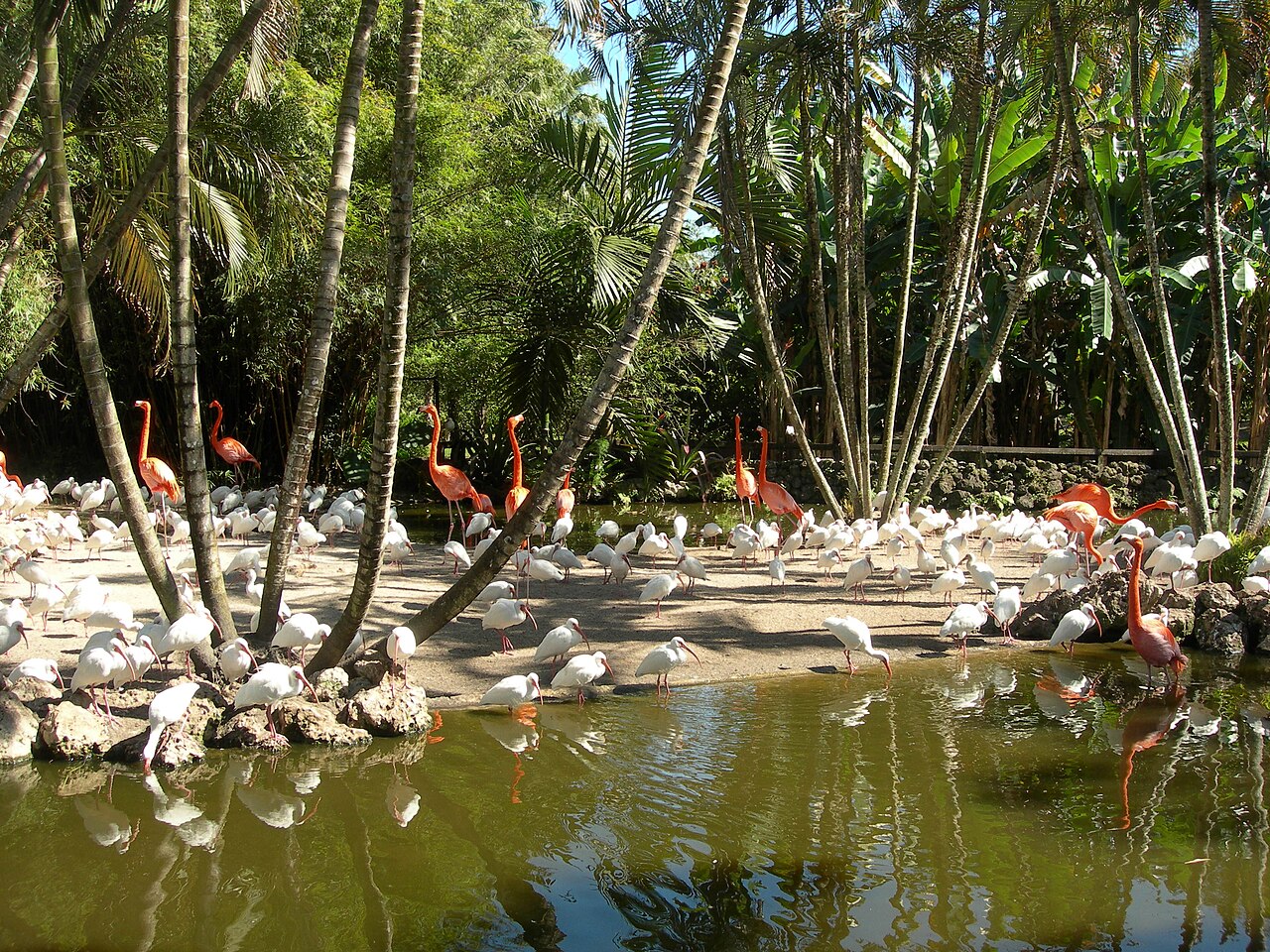
Flamingo Gardens
Sixty acres of old Florida west of town — a 1927 botanical estate grown into a wildlife sanctuary of non-releasable natives: flamingos underfoot, panthers, bobcats, bears, and a walk-through aviary under some of the state's champion trees.
Museum of Discovery and Science
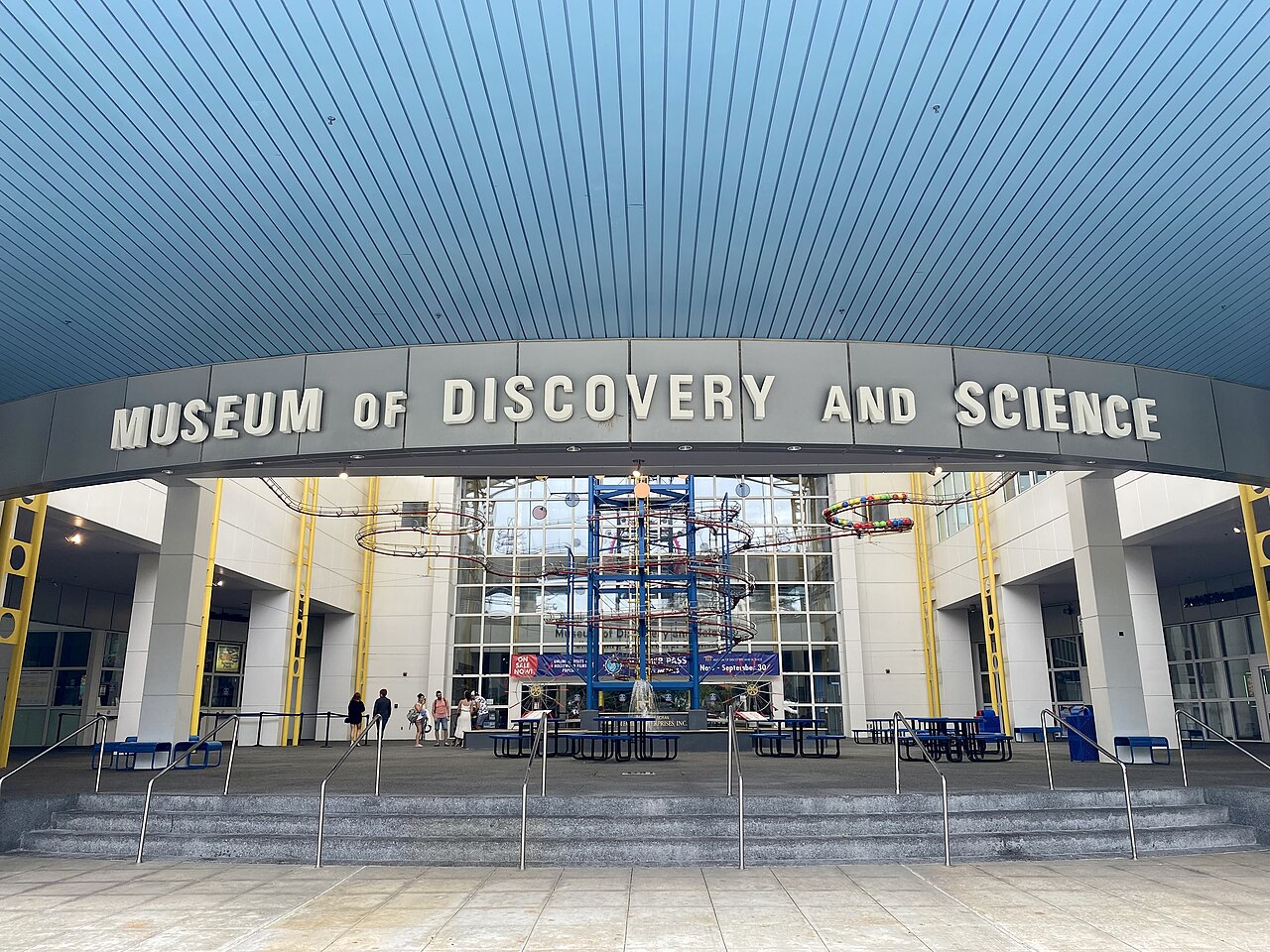
The kids' day that outsmarts the weather — downtown's hands-on science palace with live otters and gators, a hurricane simulator, flight simulators, Everglades ecology done right, and an IMAX-scale theater bolted on. The region's family rainy-day king.
Everglades Airboat Tour
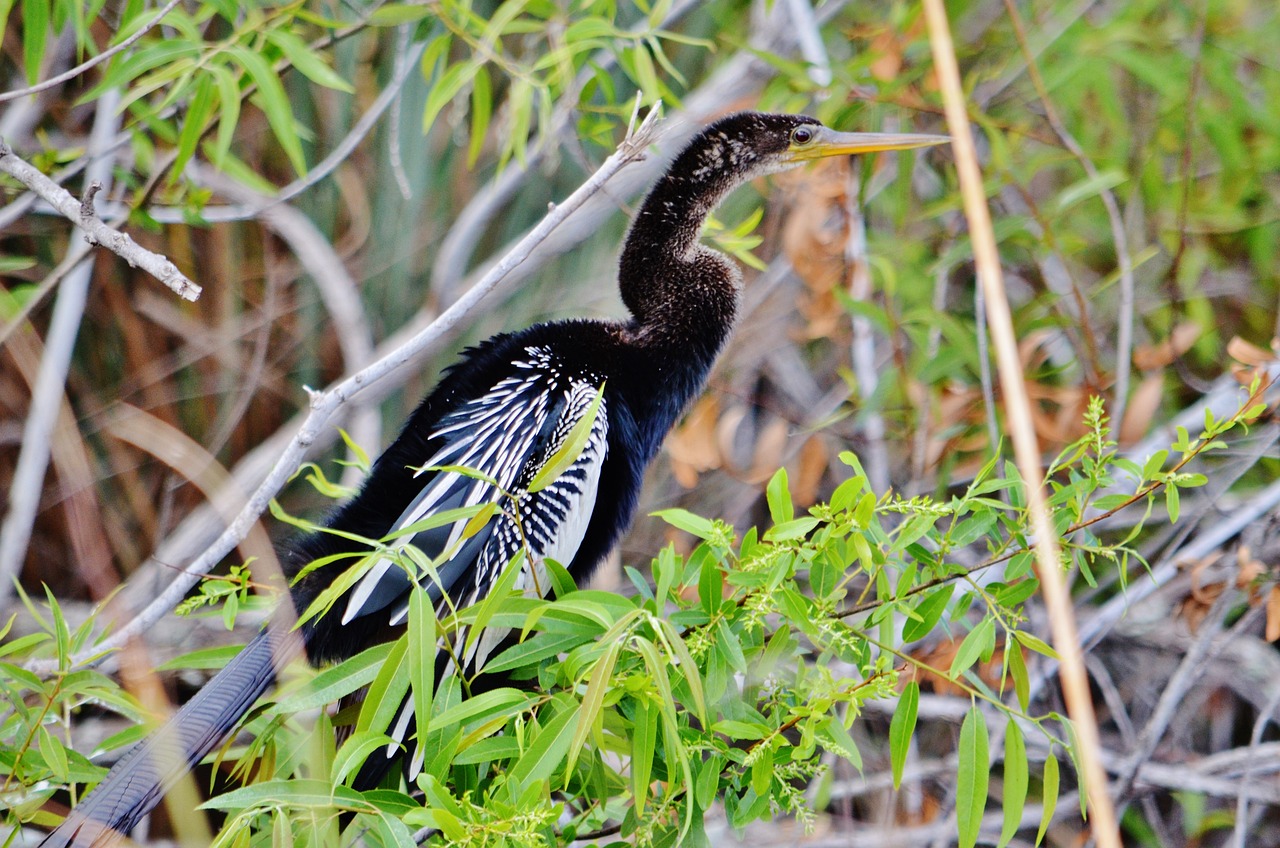
The gator show forty minutes from the beach — airboats skim the sawgrass river west of the city, wild alligators sunning the levees, with the roar, the spin, and the guide who knows every bull gator by name. Florida's loudest essential.